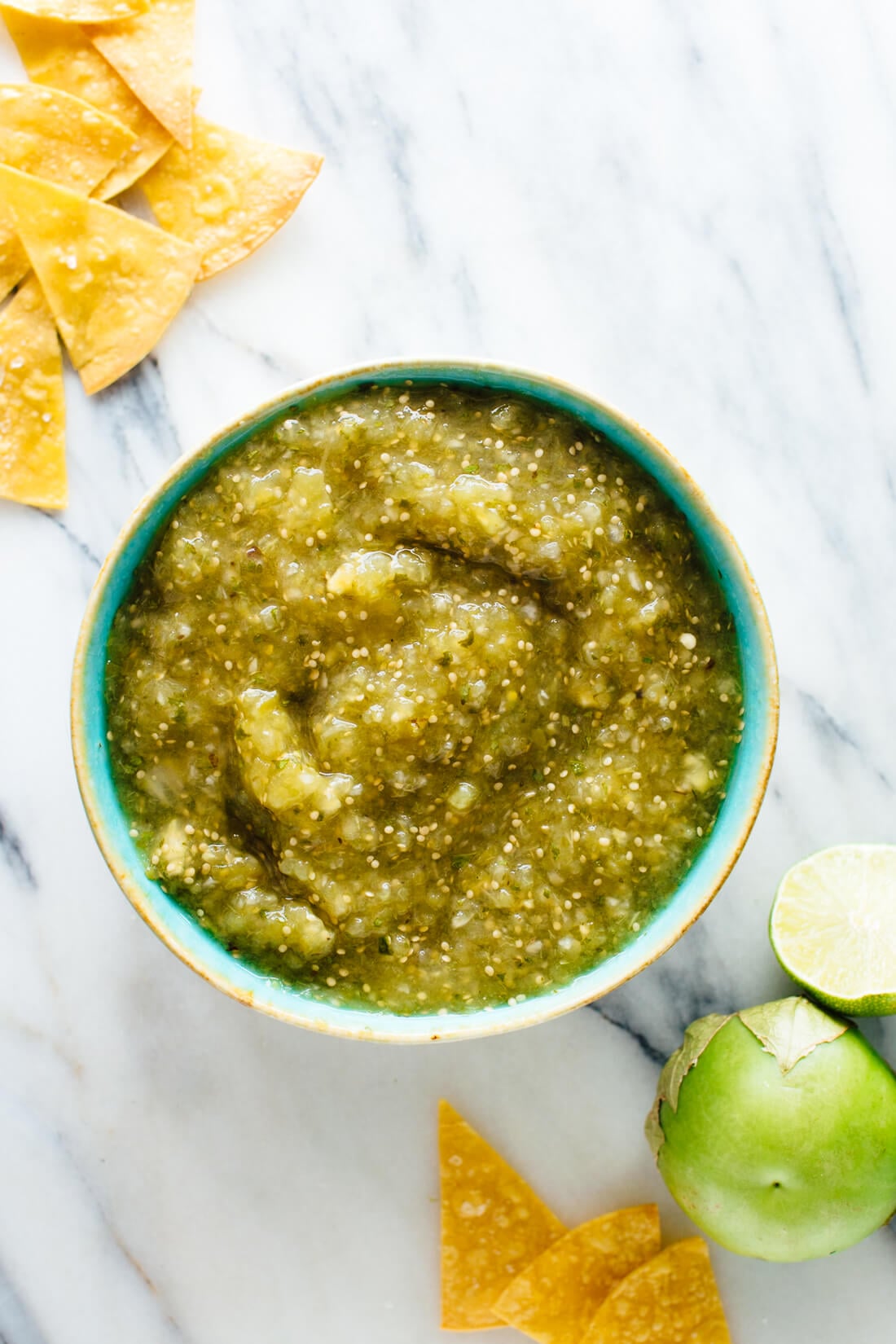
Homemade Salsa Verde: The Versatile Green Sauce for Tacos & Beyond
There's a vibrant, zesty secret weapon in the arsenal of Mexican cuisine that transforms ordinary dishes into extraordinary culinary experiences: salsa verde. This emerald-hued sauce, literally meaning "green sauce" in Spanish, is a testament to the power of fresh, simple ingredients. Forget the bland, store-bought varieties; making homemade salsa verde is surprisingly easy, incredibly rewarding, and promises a flavor profile far superior to anything you'll find on a shelf. Whether you're a seasoned chef or a kitchen novice, mastering this staple will unlock a world of authentic Mexican flavors for your tacos, enchiladas, chips, and so much more.
What Exactly is Salsa Verde? Beyond the Green Hue
At its heart, salsa verde is a bright, tangy condiment distinguished by its primary ingredient: the tomatillo. Unlike its red counterpart, which relies on ripe red tomatoes and often dried chilies, salsa verde celebrates the unique tartness and verdant color of fresh green ingredients. Its core components typically include:
- Tomatillos: The star, providing a unique citrusy tang.
- Green Chilies: Such as serranos or jalapeños, offering adjustable heat.
- Onion & Garlic: Building the foundational aromatic layers.
- Fresh Cilantro: Imparting its signature herbal freshness.
- Lime Juice: Brightening the overall flavor and enhancing tartness.
- Salt: Essential for balancing and amplifying all the flavors.
The resulting flavor profile is typically zesty, herbaceous, and with a kick that can range from mild to fiery, depending on your chili choice. This beloved Mexican staple is celebrated not just for its taste but also for its incredible versatility. It can be spooned over carne asada, mixed into rice, drizzled over eggs, or used as the foundational sauce for iconic dishes like enchiladas verdes. While other cultures boast their own "green sauces" (like Italian or Argentine versions), the tomatillo-based salsa verde is the undisputed star in Latin cooking.
One of the most fascinating aspects of homemade salsa verde is the variety of styles you can achieve, each offering a distinct character:
- Boiled Salsa Verde: Often yields a smoother, mellower flavor, perfect for those who prefer a less intense tang.
- Roasted Salsa Verde: Adds a captivating smokiness and depth, elevating the salsa to a gourmet level with caramelized notes.
- Raw (Cruda) Salsa Verde: Offers the punchiest, most herbaceous profile, showcasing the vibrant freshness of uncooked ingredients.
The Essential Ingredients for Authentic Homemade Salsa Verde
The secret to an exceptional homemade salsa verde lies in selecting fresh, high-quality ingredients. Each component plays a crucial role in building the complex layers of flavor that define this iconic green sauce. Here's a closer look at what to gather and how to choose the best:
- Tomatillos (1 lb / ~450g): These are non-negotiable. Look for firm, bright green tomatillos with tight-fitting, papery husks that aren't overly dry or yellowed. Avoid any that feel soft or mushy. To prepare, simply peel back the husks – you'll find they're naturally sticky underneath. Rinse them thoroughly under cold water to remove this residue; the stickiness is normal but needs to be washed off before cooking.
- Green Chilies (1-2, or to taste): This is where you control the heat.
- Serrano Peppers: Deliver a brighter, more assertive heat. Use these if you like a noticeable kick.
- Jalapeño Peppers: Offer a milder, more approachable spice. If you're sensitive to heat, you can remove the seeds and membranes (wear gloves!) to further reduce the pungency.
- White Onion (½ medium): Provides a sharp, pungent base that mellows beautifully with cooking. Red onion can also be used for a slightly sweeter, milder flavor if preferred.
- Garlic (1-2 cloves): Adds a warm, savory depth. For an even richer, sweeter undertone, consider roasting whole garlic cloves before adding them to your salsa.
- Fresh Cilantro (½ cup, packed): Essential for that unmistakable, bright herbal note. Ensure your cilantro is vibrant green and free of wilting or yellowing. If you're among those who find cilantro soapy, fresh parsley can be a decent, albeit different, substitute, or simply omit it.
- Lime Juice (1 tbsp): Freshly squeezed is always best. It enhances the tomatillos' tartness, brightens the overall flavor, and acts as a natural preservative.
- Salt (to taste): Crucial for tying all the flavors together. Start with a pinch and adjust gradually; the salsa will taste flat without enough salt.
Optional Ingredients for Customization:
- Avocado: Blend in half an avocado for a creamy, luscious variation that tames the heat and adds richness.
- Roasted Garlic: For a sweeter, smokier garlic flavor, roast whole cloves in their skins until soft before adding.
- Cumin (a pinch): Introduces an earthy warmth that complements the other flavors, particularly in roasted versions.
- Sugar (½ tsp): A tiny bit of sugar can balance out particularly tart tomatillos without making the salsa sweet. Use sparingly if needed.
Remember, the quality of your produce directly impacts the final taste. Opt for the freshest ingredients you can find to ensure your homemade salsa verde truly shines.
Crafting Your Own Salsa Verde: Methods and Mastery
Making salsa verde from scratch is a gratifying experience that’s often quicker than a trip to the grocery store. Regardless of the method you choose, the fundamental steps involve preparing your key ingredients, cooking them (or not!), and then blending them to your desired consistency. Here’s a look at the most popular techniques:
Method 1: Boiled Tomatillo Salsa (Smooth & Mellow)
This classic approach delivers a smooth, vibrant green salsa with a milder, more consistent flavor. It's an excellent choice for dipping, spooning over enchiladas, or as a general table salsa.
- Prep: Husk and rinse tomatillos. Halve or quarter larger ones. Stem green chilies. Roughly chop onion and garlic.
- Boil: Place tomatillos and chilies in a pot, cover with water, and bring to a boil. Simmer for 10-15 minutes, or until the tomatillos change from bright green to a duller, army green color and are tender. This mellows their tartness and softens them for blending.
- Blend: Carefully transfer the cooked tomatillos and chilies to a blender, adding the raw onion, garlic, fresh cilantro, and lime juice. Add a splash of the cooking liquid if needed for easier blending, but start with minimal liquid to control thickness.
- Season: Blend until smooth or to your preferred consistency. Season generously with salt to taste.
This method is perfect for a salsa with balanced acidity and a clean finish. For a step-by-step guide on creating this vibrant, smooth sauce, check out our Authentic Salsa Verde: Easy Tomatillo Recipe for Homemade Mexican Magic.
Method 2: Roasted Salsa Verde (Smoky & Deep)
For those who crave an extra layer of complexity and a beautiful smoky nuance, roasting is the way to go. This method caramelizes the natural sugars in the tomatillos and chilies, resulting in a deeper, richer flavor profile that truly stands out.
- Prep: Husk and rinse tomatillos. Halve or quarter larger ones. Stem green chilies. Roughly chop onion and garlic.
- Roast: Toss tomatillos, chilies, and onion with a drizzle of olive oil on a baking sheet. Roast in a preheated oven (around 400°F / 200°C) for 15-20 minutes, or until the tomatillos are soft, slightly browned, and lightly charred in spots. You can also roast them in a dry skillet or on a comal until blistered. Add garlic cloves for the last 5-10 minutes to prevent burning.
- Blend: Transfer the roasted vegetables (including any pan juices) to a blender. Add fresh cilantro and lime juice.
- Season: Blend until smooth or chunky, as desired. Season generously with salt, adjusting as needed to balance the smoky notes.
The roasting process adds an incredible depth that will make you wonder why you ever bought store-bought salsa. If the alluring scent of smoky flavor calls to you, dive deeper into our dedicated guide: Roasted Salsa Verde: Unlock Smoky Flavor with This Easy Tomatillo Recipe.
Method 3: Raw (Cruda) Salsa Verde (Bright & Herbaceous)
While not covered in detail by the provided context, the raw method involves simply blending all fresh ingredients without any cooking. This yields the brightest, most herbaceous, and often most pungent salsa. It's excellent for fresh ceviches or as a vibrant topping where you want the pure, uncooked flavors to shine.
Pro Tip on Consistency: Whether you prefer your salsa silky smooth or with some rustic chunks, control this by how long you blend. For a chunkier salsa, pulse a few times; for smooth, blend continuously until desired texture is reached. For an authentic, rustic texture, a traditional molcajete (mortar and pestle) can be used, though a blender or food processor is perfectly acceptable for efficiency.
Beyond the Basics: Customization & Creative Twists for Your Homemade Salsa Verde
Once you've mastered the basic methods, the world of salsa verde customization is your oyster. Here are a few ideas to get your culinary creativity flowing:
- Adjusting the Heat: To dial up the spice, add an extra serrano or jalapeño, or leave more of the seeds and membranes intact. For a milder salsa, remove all seeds and veins from your chilies, or opt for a less potent pepper like an Anaheim.
- Adding Creaminess: For a richer, milder salsa that's fantastic with grilled chicken or fish, blend in half an avocado. The creamy texture also helps to temper the heat.
- Earthy Notes: A pinch of ground cumin (especially in roasted versions) can add a beautiful earthy warmth that deepens the overall flavor.
- Sweet & Sour Balance: If your tomatillos are particularly tart, a tiny pinch of sugar can help balance the acidity without making the salsa sweet. Taste as you go!
- Herbal Variations: While cilantro is standard, a few sprigs of epazote can add a uniquely earthy, anise-like flavor traditional in some Mexican preparations.
Serving Suggestions & Storage
The versatility of homemade salsa verde is truly remarkable. Beyond the obvious tortilla chips and tacos, consider these ideas:
- Breakfast Booster: Drizzle over scrambled eggs, huevos rancheros, or a breakfast burrito.
- Main Course Magic: Use as a base for enchiladas verdes, chilaquiles, or as a marinade for grilled chicken, pork, or fish. It's phenomenal with grilled shrimp!
- Soup & Stew Enhancement: Stir into chicken tortilla soup or a pork green chili for an added layer of flavor.
- Healthy Topping: Spoon over roasted vegetables, baked potatoes, or grain bowls for a fresh, zesty kick.
Storage: Homemade salsa verde typically lasts for about 5-7 days when stored in an airtight container in the refrigerator. For longer storage, it freezes beautifully. Portion it into ice cube trays or small freezer-safe containers, and it can last for up to 3 months. Thaw in the refrigerator overnight before use.
Why Homemade Triumphs Over Store-Bought
If you've ever tasted authentic homemade salsa verde, you know there's simply no comparison to its store-bought counterparts. The difference is profound and immediate. Here’s why making your own is always the superior choice:
- Unmatched Freshness: Homemade salsa bursts with the vibrant flavors of freshly picked ingredients. You control the quality of every tomatillo, chili, and herb.
- Flavor Control: You dictate the spice level, the tanginess, and the exact balance of flavors. Want it smokier? Roast longer. Prefer it milder? Adjust the chilies.
- No Unnecessary Additives: Commercial salsas often contain preservatives, artificial colors, and excessive sodium. Your homemade version is pure, wholesome goodness.
- Cost-Effective: Fresh tomatillos and chilies are typically inexpensive, making homemade salsa a budget-friendly option that yields a generous batch.
- The Joy of Creation: There's immense satisfaction in creating something so delicious from scratch, knowing exactly what went into it.
Embrace the Green: Your Journey to Authentic Flavor Starts Here
Homemade salsa verde is more than just a sauce; it's an experience—a vibrant testament to the simple yet profound flavors of Mexican cuisine. From its tangy tomatillo base to the aromatic dance of cilantro, onion, and garlic, every spoonful is an adventure. We encourage you to ditch the jarred versions and embrace the ease and reward of making your own. Whether you opt for the mellow comfort of a boiled salsa or the deep allure of a roasted one, you'll discover a versatile green magic that elevates tacos, transforms simple meals, and consistently impresses. So go ahead, gather those beautiful green ingredients, and embark on your journey to homemade salsa verde mastery!
